

Gutland / Gotland, OUR ANCESTORS, The Viking Age, Uncategorized

ERIC BLOODAXE AND EGIL THE ICELANDER – CLAN CARRUTHERS CCIS

cropped-wide-banner-with-new-crest

ERIC BLOODAXE AND EGIL THE ICELANDER

CARRUTHERS ANCESTOR
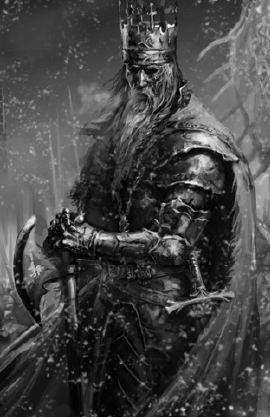
ERICBLOODAXEIn the year 900 Harold the Fair-Haired, the famous monarch who made a kingdom of Norway, passed a law which was to work mischief for centuries to come. Erik, his favorite son, was named overlord of the kingdom, but with the proviso that his other sons should bear the kingly title and rule over provinces, while the sons of his daughters were to be made earls. Had the wise Harold dreamed of the trouble this unwise law was to make he would have cut off his right hand before signing it. It was to give rise to endless rebellions and civil wars which filled the kingdom with ruin and slaughter for many reigns and at last led to its overthrow and long disappearance from among the separate nations of the earth.

A bold and daring prince was Erik, with the old viking blood in his veins. When only twelve years of age his father gave him five ships, each with a sturdy crew of Norsemen, and sent him out to ravage the southern lands, in the manner of the sea-kings of those days. Many were the perilous exploits of the young viking admiral and when he came back to his father’s halls and told him of his daring deeds, the old king listened with delight. So fierce and fatal were many of his fights that he won the name of Blood-Axe, but for this his father loved him all the more and chose him to be his successor on the throne.

[Illustration] from Historical Tales - Scandinavian by Charles Morris

HOME OF PEASANTS, NORWAY

Before his father died Erik had shown what was in him, by attacking and killing two of his brothers. But despite all that, when the old king was eighty years of age he led Erik to the throne and named him as his successor. Three years later Harold died and Norway fell under the young sea-king’s hand—a brave, handsome, stately ruler; but haughty, cruel, and pitiless in his wrath, and with the old viking wildness in his blood.

He had married a woman whom men called a witch—cruel, treacherous, loving money and power, and with such influence over him that she killed all the good in his soul and spurred him on to evil deeds.

Strange stories are told of the wicked Queen Gunhild. It was said that she had been sent to Finland to learn the arts of sorcery, in which the Finns of those days were well versed. Here Erik met her in one of his wanderings, and was taken captive by her bold beauty. She dwelt with two sorcerers, both bent on marrying her, while she would have neither of them. Prince Erik was a suitor more to her liking and she hid him in her tent, begging him to rescue her from her troublesome lovers.

This was no easy task, for sorcerers have arts of their own, but Erik proved equal to it, cut his way through all the difficulties in his path and carried Gunhild away to his ships, where he made her his wife. In her he had wed a dragon of mischief, as his people were to learn.

She was of small size but of wonderful beauty, and with sly, insinuating ways that fitted her well to gain the mastery over strong men. But all her arts were used for evil, and she won the hatred of the people by speaking words of ill counsel in her husband’s ears. The treachery and violence he showed were said to be the work of Gunhild the witch, and the nobles and people soon grew to hate Erik Blood-Axe and his cruel wife, and often broke out in rebellion against them.

His brothers, who had been made kings of provinces, were not ready to submit to his harsh rule, and barely was old King Harold dead before Halfdan the Swarthy—who bore the name of his grandfather—claimed to be monarch in Tröndelag, and Olaf, another brother, in Viken. Death came suddenly to Halfdan—men whispered that he had been poisoned by the queen—but his brother Sigfrid took his place and soon the flame of rebellion rose north and south. Erik proved equal to the difficulty. Sigfrid and Olaf were in Tunsberg, where they had met to lay plans to join their forces, when Erik, whose spies told him of their movements, took the town by surprise and killed them both.

Thus, so far, Erik Blood-Axe was triumphant. He had killed four of his brothers—men said five—and every one thought that Gunhild would not be content until all King Harold’s brood except her own husband were in the grave.

Trouble next came from a region far away, the frost-king’s land of Iceland in the northern seas, which had been settled from Norway in the early reign of Harold the Fair-Haired, some sixty years before. Here lived a handsome and noble man named Thorolf, who had met Erik in his viking days. He was the son of the stern old Icelander Bald Grim, and nephew of the noble Thorolf who had been basely slain by King Harold.

Bald Grim hated Harold and all his race, but Thorolf grew to admire Erik for his daring and made him a present of a large and beautiful ship. Thus Erik became his friend, and when Thorolf came to Norway the young prince begged his father to let him dwell there in peace. When he at length went home to Iceland he took with him an axe with a richly carved handle, which Erik had sent as a present to his father.

Old Bald Grim was not the man to be bought over by a present. The hate he felt for Harold he transferred to his son, and when Thorolf set sail again for Norway his father bade him take back the axe to the king and sang an insulting song which he bade him repeat to Erik. Thorolf did not like his errand. He thought it best to let the blood-feud die, so he threw the axe into the sea and when he met the king gave him his father’s thanks for the fine gift. If Thorolf had had his way the trouble would have been at an end, but with him came Egil, his younger brother, a man of different character.

Stern old Bald Grim seemed born again in his son Egil. A man of great size, swarthy face, harsh of aspect, and of fierce temper, in him was the old, tameless spirit of the Norse sea-kings, turbulent, passionate, owning no man master, he bent his strong soul to no man’s rule. Rash and adventurous, he had a long and stormy career, while nature had endowed him with a rich gift of song, which added to his fame. Such was the type of men who in those days made all Europe tremble before the Norsemen’s wrath, and won dominion for the viking warriors in many lands.

Thorold when in Norway before had gained powerful friends in the great nobles, Thore Herse and Björn the Yeoman. On this visit the brothers became Thore’s guests, and Egil and Arinbjörn, Thore’s son, became warm friends. The young Icelander’s hot temper soon brewed trouble. Sickness kept him from going with Thorolf to the house of Björn the Yeoman, whose daughter, Aasgard, he was to marry; but he soon got well and went on a visit to Baard, a steward of the king. As fortune decreed he met there King Erik and Queen Gunhild.

Egil was not the man to play the courtier and his hot blood was under little control. When Baard neglected him in favor of his royal visitor, he broke into such a rage that the queen, to quiet him, tried one of her underhand arts. She bade Baard to mix sleeping herbs with his beer.

Suspecting treachery from the taste of the beer Egil flung his flagon to the floor, struck Baard dead in his fury, and, fleeing for his life, swam to an island in the neighboring stream. When men were sent to search the island and capture him he killed some of them, seized their boat, and made his escape.

King Erik was furious, but Thore Herse got him to accept a money payment for Baard’s death—as was then the custom of the land—and he agreed to let Egil dwell in Norway unharmed.

This was not to the queen’s liking. She was fond of Baard and was deeply incensed at Egil for his murderous act, and she stormed at the king for his mildness of temper till he broke out:

“You are forever egging me on to acts of violence; but now you must hold your peace, for I have given my kingly word and cannot break it.”

Gunhild, thus repulsed, sought other means of revenge. A great feast of sacrifice to the old heathen gods was to be held at the temple of Gaule, and at her instigation her brother, Eyvind Skreyja, agreed to kill one of Bald Grim’s sons. Finding no opportunity for this, he killed one of Thorolf’s men, for which act Erik outlawed him.

The remainder of the story of Egil’s career is largely that of a viking, that is, a piratical rover, bent on spoil and plunder and the harrying of sea-coast lands. With Thorolf he took to the sea and cruised about in quest of wealth and glory, finally landing in England and fighting in a great battle under the banner of King Athelstan. He made his mark here, but Thorolf was slain, so Egil went back to Norway, married his brother’s widow, and sailed for his old home in Iceland, which he had not seen for twelve years.

Iceland was too quiet a land to hold the stirring sea-king long and news from Norway soon made him take ship again. Björn the Yeoman, his wife’s father, had died, and Queen Gunhild had given his estate to Berg-Anund, one of her favorites. Storming with rage, he reached Norway and hotly pleaded his claim to the estate before the assembly or thing at Gula, Erik and Gunhild being present. He failed in his purpose, the thing breaking up in disorder; and Egil, probably finding Norway too hot to hold him, went back to Iceland.

If King Erik now fancied he was rid of the turbulent Icelander he was mistaken. Rankling with a sense of injury and borne onward by his impetuous temper, Egil was soon in Norway again, sought the Björn estate, surprised and killed Berg-Anund, and went so far in his daring as to kill Ragnvald, the king’s son, who was visiting Berg. Carried to extremes by his unruly temper he raised what was called a shame-pole, or pole of dishonor, on a cliff top, to the king and queen. On it he thrust the head of a dead horse, crying out:

“I turn this dishonor against all the land-spirits of this land, that they may all stray bewildered and none of them find his home until they have driven King Erik and Queen Gunhild out of this land.”

This message of defiance he cut in runes—the letters of the Northland—into the pole, that all might read it, and then sailed back to Iceland.

Egil had not long to wait for his curse to take effect, for Erik’s reign was soon threatened from a new source. He had not killed all his brothers. In the old days of King Harold, when near seventy years old, he had married a new wife, who bore him a son whom he named Haakon,—destined in later life to reign with the popular title of Haakon the Good. This boy, perhaps for his safety, had been sent to England and given over to King Athelstan, who brought him up almost as his own son.

Erik had been four years on the throne when Haakon came back to Norway, a handsome, noble youth, kind of heart and gentle in disposition, and on all sides hailed with joy, for Erik and his evil-minded wife had not won the love of the people. Great nobles and many of the people gathered around Haakon, men saying that he was like King Harold come back again, gentler and nobler than of old and with all his old stately beauty and charm.

The next year he was crowned king. Erik tried to raise an army, but none of the people were willing to fight for him, and he was forced to flee with his wife and children. Only a few of his old friends went with him, but among them was Arinbjörn, Egil’s former friend.

Sudden had been King Erik’s fall. Lately lord of a kingdom, he had now not a foot of land he could call his own, and he sailed about as a sea-robber, landing and plundering in Scotland and England. At length, to rid himself of this stinging hornet of the seas, King Athelstan made him lord of a province in Northumberland, with the promise that he would fight for it against other vikings like himself. He was also required to be baptized and become a Christian.

Meanwhile Egil dwelt in Iceland, but in bitter discontent. He roamed about the strand, looking for sails at sea and seeming to care little for his wife and children. Men said that Gunhild had bewitched him, but more likely it was his own unquiet spirit. At any rate the time came when he could bear a quiet life no longer and he took ship and sailed away to the south.

Misfortune now went with him. A storm drove his ship ashore on the English coast at the mouth of the Humber, the ship being lost but he and his thirty men reaching shore. Inquiring in whose land he was, people told him that Erik Blood-Axe ruled that region.

Egil’s case was a desperate one. He was in the domain of his deadly foe, with little hope of escape. With his usual impetuous spirit, he made no attempt to flee, but rode boldly into York, where he found his old friend Arinbjörn. With him he went straight to Erik, like the reckless fellow he was.

“What do you expect from me?” asked Erik. “You deserve nothing but death at my hands.”

“Death let it be, then,” said the bold viking, in his reckless manner.

Gunhild on seeing him was eager for his blood. She had hated him so long that she hotly demanded that he should be killed on the spot. Erik, less bloodthirsty, gave him his life for one night more, and Arinbjörn begged him to spend the night in composing a song in Erik’s honor, hoping that in this way he might win his life.

Egil promised to do so and his friend brought him food and drink, bidding him do his best. Anxious to know how he was progressing Arinbjörn visited him in the night.

“How goes the song?” he asked.

“Not a line of it is ready,” answered Egil. “A swallow has been sitting in the window all the night, screaming and disturbing me, and do what I would I could not drive it away.”

At that Arinbjörn darted into the hall, where he saw in the dim light a woman running hastily away. Going back he found that the swallow had flown. He was sure now that Queen Gunhild had changed herself into a swallow by sorcery, and for the remainder of the night he kept watch outside that the bird should not return. When morning broke he found that Egil had finished his song.

Determined to save his friend’s life if he could, he armed himself and his men and went with Egil to the palace of the king, where he asked Erik for Egil’s life as a reward for his devotion to him when others had deserted him.

Erik made no reply, and then Arinbjörn cried out:

“This I will say. Egil shall not die while I or one of my men remain alive.”

“Egil has well deserved death,” replied Erik, “but I cannot buy his death at that price.”

As he stopped speaking Egil began to sing, chanting his ode in tones that rang loudly through the hall. Famed as a poet, his death song was one of the best he had ever composed, and it praised Erik’s valor in all the full, wild strains of the northern verse.

Erik heard the song through with unmoved face. When it was done he said:

“Your song is a noble one, and your friend’s demand for your life is nobler still. Nor can I be the dastard to kill a man who puts himself of his own will into my hands. You shall depart unharmed. But do not think that I or my sons forgive you, and from the moment you leave this hall never come again under my eyes or the eyes of my sons.”

Egil thus won his life by his song, which became known as the “Ransom of the Head.” Another of his songs, called “The Loss of the Son,” is held to be the most beautiful in all the literature of Iceland. He afterwards lived long and had many more adventures, and in the end died in his bed in Iceland when he was over ninety years of age. Erik died in battle many years earlier, and Gunhild then went to Denmark with her sons. She was to make more trouble for Norway before she died.
Carruthers crest on flag-v2 (1)

OFFICIAL AND OLDEST SCOTTISH  CLAN CARRUTHERS

 SINCE 1983-CLAN OF OUR ANCESTORS

MERITED TO CHIEF CAROTOCUS  10AD

PRESENT CHIEF :  PAT E CARROTHERS USA

cropped-wide-banner-with-new-crestnorse

CHARLES MORRIS

TAMMY WISE CHS USA

CLAN CARRUTHERS  HISTORIAN AND GENEALOGIST
59ef7250711564a8761d3a0b23bc2353

New Blog Banner 05

Preserving Our Past, Recording Our Present, Informing Our Future

Ancient and Honorable Clan Carruthers

   clancarruthers1@gmail.com

You can find us on our main facebook pages at :

SILVER WINGS-https://www.facebook.com/CarruthersClanLLC/

GOLD WINGS – https://www.facebook.com/carrutherscarrothers.pat.9

COPPER WINGS    https://www.facebook.com/ClanCarruthers1/

CLAN CARRUTHERS FAMILY HISTORY – https://www.facebook.com/CarruthersClan

CLAN CARRUTHERS CCIS – https://www.facebook.com/groups/3878691252182714

CLAN CARRUTHERS INT SOCIETY- https://www.facebook.com/groups/394653845137709

CLAN CARRUTHERS – BORDER REIVERS – https://www.facebook.com/groups/434959914239094

Disclaimer Ancient and Honorable Carruthers Clan International Soci

OUR ANCESTORS, The History of Gutland, The Viking Age

CLAN CARRUTHERS – VIKING GAMES

VIKING GAMES


WIDE BANNER with NEW CREST


Gotland Island


Ahe Gotland is perhaps the most famous house in Sweden: Villekulla, known in this country as Villa Kunterbunt, the wooden house of Astrid Lindgren’s Pippi Longstocking. Those who visit the “Kneippbyns” amusement park – a magnet for visitors on the second largest island in the Baltic Sea – can visit the original setting of the “Pippi” films shot on Gotland.

Typical of Gotland: the many pretty fishing villages on the 800 km long coast with wide sandy beaches, ideal for walks. Gotland, island, municipality and historical province at the same time, is one of the sunniest spots in Sweden. Especially the Swedes themselves like to vacation on Gotland and the offshore islets, enjoy the almost Mediterranean climate: in the interior of the island even vines thrive.

THE LONG SHIPS UK/Yugoslavia 1963 Jack Cardiff EDWARD JUDD (left) as Sven BOX ||Rights=RM | Verwendung weltweit

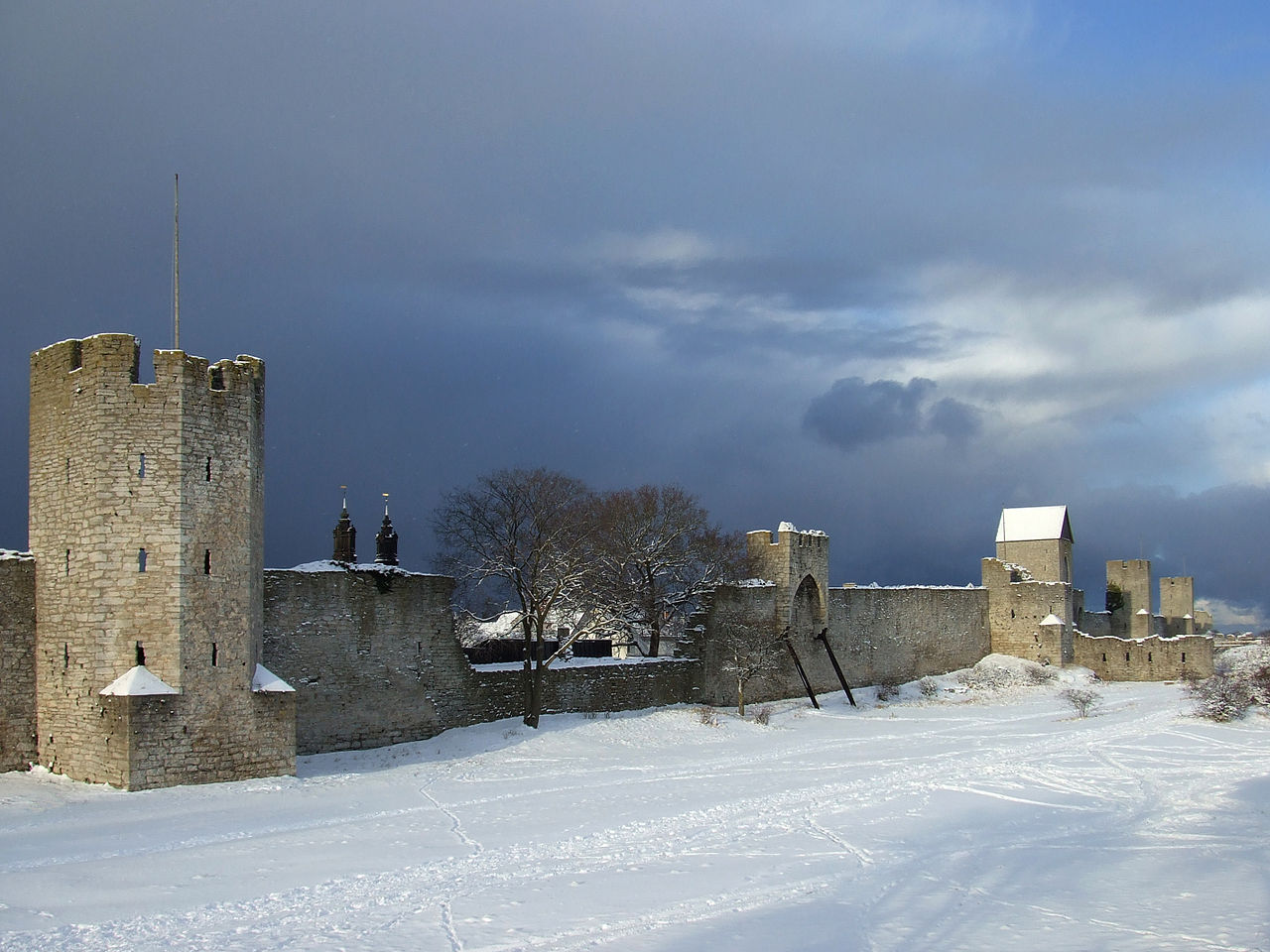
Once the Goths gave the island its name, later the Vikings came, and during the Hanseatic League the island’s capital, Visby, became an important trading center. It offers the feeling of the Baltic Middle Ages: its old town is surrounded by a city wall from the 13th century, a UNESCO World Heritage Site since 1995.

Our Carruthers ancestors traveled from Gotland to Scotland in approximately 400 AD.  They were known as the Aachenman, or Ashman.   They were ship builders who used the sacred Ash Tree from the Aachen Forest.  They were given this land from the Papal Reign and thus protected by the Papal State. 


VIKING GAMES

Tree trunk throwing is part of pentathlon

Throwing a tree trunk as far as possible in Obelix fashion – sounds strange, but it is a serious discipline of Gotland pentathlon. It is part of the Gotland Olympic Games, which in turn have a long tradition. The competitions have been taking place since 1924, most recently with over 2000 participants, the roots going back to the Viking Age.

Viking Summer Raid Weekend 2019 | Viking Performance Training


STONE THROWING OR WARP THROWING

Stone throwing is also an old discipline of pentathlon Warp throwing, a kind of Scandinavian boules. Sprinting, jumping up and playing the ball are also measured. The winner is whoever wins the final wrestling match. 


VIKING SPEAR THROWING

Hurstwic: Viking Spear


The spear – Hurstwic –  was the most commonly used weapon in the Viking age. During this time, spear heads took many forms.


Hurstwic: Viking Spear


The spearheads were made of iron, and, like sword blades, were made using pattern welding techniques  during the early part of the Viking era . They were frequently decorated with inlays of precious metals or with scribed geometric patterns  The Carruthers /Aacheman/Ashman were excellent iron workers.   This trade was handed down to them from other ancestors who lived through the iron age.  Much of their weaponry and even jewelry was magnificent. 


Carruthers crest on flag-v2 (1)


Preserving the Past, Recording the Present, Informing the Future

Ancient and Honorable Carruthers Clan Int Society LLC

carruthersclan1@gmail.com


WIDE BANNER with NEW CREST


CLAN CARRUTHERS INT SOCIETY CCIS HISTORIAN AND GENEALOGIST

Gotland-flag

You can find us on facebook at :

https://www.facebook.com/carrutherscarrothers.pat.9

https://www.facebook.com/CarruthersClan/

https://www.facebook.com/CarruthersClanLLC

Disclaimer Ancient and Honorable Carruthers Clan International Society


Gutland / Gotland, The Viking Age, Uncategorized

CLAN CARRUTHERS- TJELVARS

CLAN CARRUTHERS INT SOCIETY CCIS                  PROMPTUS ET FIDELIS

cropped-wide-banner-with-new-crest.jpg


A Bronze Age Burial Steeped in Legend: What Makes the Ship-Shaped Tjelvar’s Grave Unique?


Gotland, Sweden’s largest island, is home to medieval churches, cathedral ruins, as well as numerous pre-historic sites. The archaeological and historical sites that pepper this land make up a timeline of Gotland’s past.

One such site is known as Tjelvar’s grave. It is a ship-shaped stone setting found on the eastern coast of the island. Sites of this type can be found all over Scandinavia, they are typically dated to the early Viking Age, circa the late 8th century AD.

The “ship” has the length of 18 metres and a width of 5 metres. Nearby are also the remains of two Iron Age forts. From Slite drive south on the road 146 towards Gothem and look for the signs on the right hand side of the road.

However, Tjelvar’s grave can be dated all the way back to pre- Bronze Age, predating the other sites by nearly 2000 years. From the Bronze Age to the Viking Age, to our present age, this style has been resurrected and replicas continue to be built around Gotland and Scandinavia.

When excavated in the 1930’s the robbed cist revealed some cremated bones and pot sherds. The earliest skeleton found on Gotland so far has been dated to 8000 years ago.

The legend of Tjelvar being the first to discover Gotland has been interwoven with the existance of this Bronze Age ship burial site over the millenia. Just north of Aminne you pass through Tjälder and a few hundred metres further north take the gravel lane west towards Bäl and Bjärs. The site is approximately 2 kilometres down this lane. References: Riksantikvarieämbetet Fornsök: Boge 28:1; Site 66 Tjelvar’s Grave.

Since ancient times, Gotland has been the obvious link between the present and the past. Everywhere on the island you can still find traces from hundreds of years back in time. Gotland is a modern destination with a fascinating living history in a world heritage site.


Preserving Our Past, Recording Our Present, Informing Our Future

Ancient and Honorable Carruthers Clan Society International

carruthersclan1@gmail.com      carrothersclan@gmail.com

cropped-wider-banner-light-blue-1.jpg


MARK STEWART    LONDON ENGLAND

Clan Carruthers Int Society CCIS  Historian and Genealogist

You can find us on facebook at :

https://www.facebook.com/carrutherscarrothers.pat.9

https://www.facebook.com/CarruthersClan/

https://www.facebook.com/CarruthersClanLLC


Gutland / Gotland, Uncategorized

CLAN CARRUTHERS-ENGLISH TREASURE ON GOTLAND

CLAN CARRUTHERS INT SOCIETY  CCIS                                    PROMPTUS ET FIDELIS

cropped-wider-banner-light-blue-1.jpg


English Treasure on Gotland


And Irish treasure And Frankish treasure. And German treasure. And Arabic – most especially Arabic.

Through the Carruthers DNA studies, the Genetic Genealogist have shown us that our CTS DNA genome has shown up in two large waves of coming ashore in England and Scotland.  We are sure there have been more, but it takes a lot of money for testing.  One wave was in the middle to late 450 AD, in Winchester or Cinchester,   Dunbarton and along the Clyde River, and on the east coast of Scotland, around 850 AD.

The Carruthers Historians along with Mark Stewart, and Douglas Stewart, have shown possible travel routes between Scotland and Ireland for these same time periods.

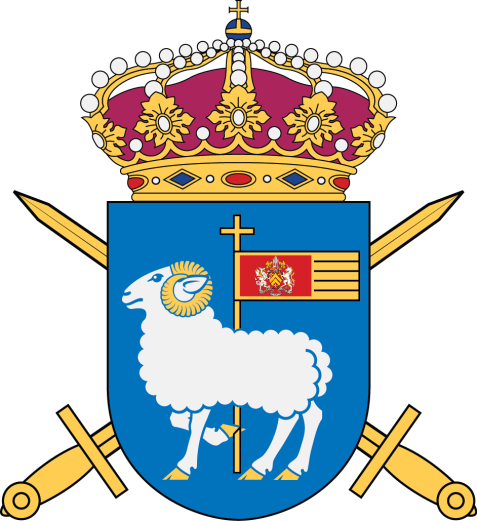
Gotland vapen


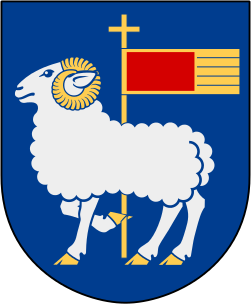
Gotland coat of arms; sheep, called
on Gotland “lamm” have always
been important to the local economy


More than 700 purposefully assembled collections, or hoards, of silver treasure have been found on the Baltic island of Gotland, most deposited in the ground for safe keeping during the Viking age (9th through mid-11th centuries).

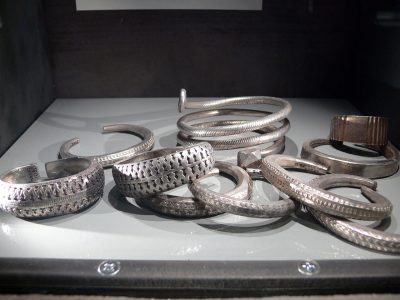
A few of these hoards are of unequalled size, including the largest ever found. The Spillings Hoard, unearthed by a farmer in his field in north-eastern Gotland in July 1999, contains more than 14,300 silver coins, and much silver jewellery: hundreds of armlets, and numerous finger rings, as well as silver ingots, coils of rolled silver, and hack-silver, pieces of broken jewellery and cut-up coinage.

The Spillings Hoard was buried under the floorboards of a farmhouse about 881 CE, as the latest coin is dated to then. The house quite possibly was that belonging to a metalsmith – always a prosperous member of society in medieval times – judging by the other metal remains found on site. The earliest coins in the hoard are 6th c Sasanian. The vast majority of the coins are Arabic dirhams, not brought to the island as plunder but rather through the extensive trade around the Baltic basin that connected Gotland with the Silk Road and its fabled riches of silk, furs, and spices. The area where the Spillings Hoard was found abounded in well-to-do savers; a hoard was found in the same field in 1883 and numbered 5,922 coins.

Fornsalen - Silberschatz von Spelling

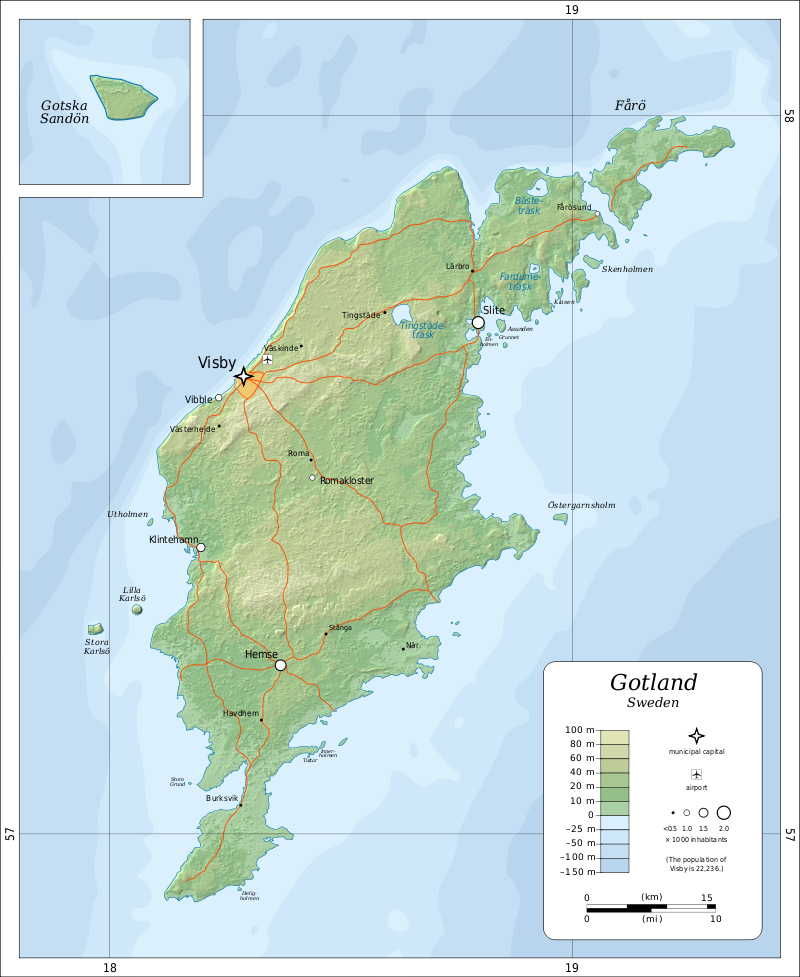
Gotland is an island 109 miles long and 32 miles wide in the Baltic sea, and today is home to some 58,000 residents. An independent nation until captured by the Danish King Valdemar Atterdag in 1361, Gotland did not become part of Sweden until 1645.

Topographic map of Gotland

The walled capital city of Visby, on the eastern coast, grew immensely rich in the later middle ages as part of the Hanseatic League, leaving it and all of Gotland dotted with impressive medieval buildings, including the 94 parish churches it is justly famed for.

Visby ringmur östra delen norrut

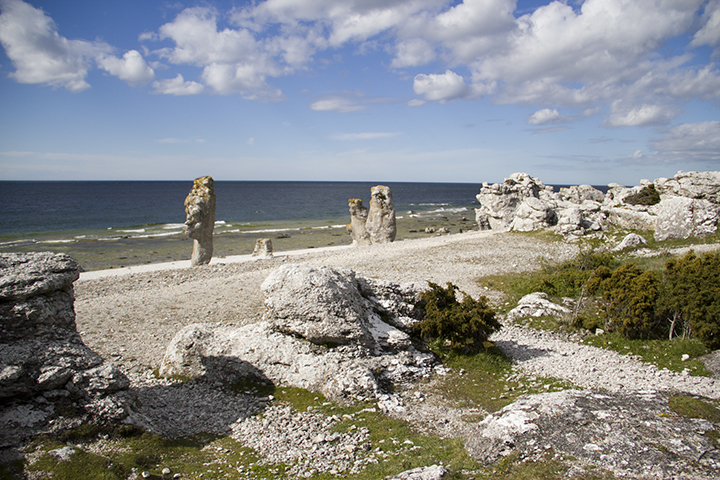
It is a place of exceptional beauty, its extensive coast and many inlets dotted with rauk – wind- and water-swept limestone rock formations – and blessed with the sunniest location of all Sweden. The name “Gotland” – Gutland in Gutnish, the original language of the settlers, is “Goth-land”, land of the Goths. Although the official language politically is Swedish, Gutnish is still spoken amongst some residents, although sadly barely survives in written form. Swedish friends living and studying on Gotland tell me that when they overhear Gutnish it is unintelligible to them, so distinct a language it is.

Nearly 200,000 old coins have been found on Gotland, including more late Anglo-Saxon coins than have been found in Britain itself. Yes: more late Anglo-Saxon coins have been found on this small distant island than in England itself. Many of these English coins were almost certainly plunder, and from the payment of thousands of pounds of danegeld (the payments paid by Anglo-Saxon rulers to stave off the predations of the Vikings). But the Gotlanders themselves were not “Vikings” – they were prosperous and peaceful farmers and traders, highly independent, pragmatic, and successful. Gotland’s location in the Baltic Sea made it perfect for trading runs across to the eastern and southern shores, where tribes such as the Polanie, Pomerani, and Prus ran Summer trading posts. These connected to trade routes heading further East deep into Russia, South to present day Iraq and Uzbekistan, and West to the great trading towns of the Svear (Swedes) such as Birka, and Aros (Aarhus) of the Danes.

The Spillings Hoard, along with much more treasure and examples of Gotland’s famed standing memorial stones, are on view in Visby at the Gotlands Museum. An excellent book is available on the Hoard: The Spillings Hoard: Gotland’s Role in Viking Age World Trade, Visby, Gotlands Museum, 2009.


Fårö Rauk (limestone sea-stacks) at Langhammar


Preserving Our Past, Recording Our Present, Informing Our Future

Ancient and Honorable Clan Carruthers Int Society CCIS  LLc

carruthersclan1@gmail.com              carrothersclan@gmail.com

cropped-wider-banner-light-blue-1.jpg


Octavia Randolph


You can find us on facebook at :

https://www.facebook.com/carrutherscarrothers.pat.9

https://www.facebook.com/CarruthersClan/

https://www.facebook.com/CarruthersClanLLC


Disclaimer Ancient and Honorable Carruthers Clan International Society CCI
Gutland / Gotland, Uncategorized

CLAN CARRUTHERS – GYMIR

CLAN CARRUTHERS INT SOCIETY CCIS                    PROMPTUS ET FIDELIS


cropped-wide-banner-with-new-crest.jpg


GYMIR

The giant Gymir lives in the sheltered mountain range of western Jotunbok,  His hall is surrounded by a wall of flames to keep out the intruders , as he is extremely wealthy.  He is one of the giants who trade regularly with Vanaheim, and the fact that his daughter is married to Frey, one of the Lords of the Vanir, helps him a great deal in his trading.  He is a doting and permissive father, and a canny businessman.


According to the Eddic poems Skírnismál and Hyndluljóð, Gymir and his wife Aurboða are Gerð’s and her brother Beli’s parents. He is also listed as a distinct cousin to Thjazi. In the Prose Edda, Snorri Sturluson gave this information in Gylfaginning but in a list of kennings in Skáldskaparmál equates Gymir with the god and giant Ægir, citing a verse by Hofgarða-Refr Gestsson where the kenning in question probably simply substitutes one giant-name for another. Gymir is also equated with Ægir in the prose introduction to Lokasenna; however, the Nafnaþulur added later to the Prose Edda list him among the giants.

He is credited to live in a great house in Jotunheim surrounded by dogs. Gymir has usually been interpreted as a sea-giant, but Magnus Olsen regarded him as an earth giant in connection with his interpretation of Skírnismál in light of the hieros gamos and he has also been seen as a chthonic deity. Suggestions as to the etymology and meaning of his name include ‘earthman’, ‘the wintry one’, ‘the protector’ and ‘the bellower’.

According to John Lindow, one source calls Gerð’s father Geysir.


Perserving the Past, Recording the Present, Informing the Future

Ancient and Honorable Carruthers Clan Int Society LLC

carruthersclan1@gmail.com   carrothersclan@gmail.com

cropped-wider-banner-light-blue-1.jpg


You can find us on facebook at :

https://www.facebook.com/carrutherscarrothers.pat.9

https://www.facebook.com/CarruthersClan/

https://www.facebook.com/CarruthersClanLLC


Disclaimer Ancient and Honorable Carruthers Clan International Societ


The Viking Age, Uncategorized

LET’S SEE IF RAGNAR LOTHBROK WAS REAL..

cropped-wide-banner-with-new-crest.jpg

LET’S SEE IF RAGNAR LOTHBROK WAS REAL..

Ragnarr Loðbrók, to give his name the proper spelling, has become America’s favorite badass Viking, thanks to the History Channel’s exciting series, “The Vikings.” But who was he really? Dr. Elizabeth Ashman Rowe has the answers. Rowe is University Lecturer in Scandinavian History of the Medieval Period at the University of Cambridge in England and author of a scholarly study published in 2012, Vikings in the West: The Legend of Ragnarr Loðbrók and His Sons. 

In the preface, she writes: “The Viking king Ragnarr Loðbrók and his sons feature in a variety of medieval stories, all of them highly dramatic.” In a French version, he is a noble king in Denmark, father of a fearsome Viking who ravages France. In an English story, he “wickedly inflames” his three sons with envy for the English King Edmund, provoking the Danish invasion of England and Edmund’s martyrdom.

Snorri Sturluson, subject of my book Song of the Vikings, wrote one of the 32 known Icelandic tales about Ragnarr. To Snorri, Ragnarr was famous as the first Norwegian king to keep a court poet, or skald. He was “the conqueror who established the definitive boundaries of the Scandinavian kingdoms,” Rowe writes, “and the symbol of the ancient heroism that would be eclipsed by the new heroism of the Icelanders.”

Concludes Rowe, “In short, Ragnarr and his sons were ciphers to which almost any characterization could be attached”–as the History Channel has effectively proved.

Was there a real Ragnarr Loðbrók? Rowe says no: “I do not think that there was ever a historical figure known as ‘Ragnarr Loðbrók.’” Mostly it’s the nickname she’s leery of, noting that “the deeds and fate” of an “extraordinarily ferocious” Danish Viking known as Reginheri, who attacked Paris in 845, hanged 111 Christians, and died of illness soon afterwards, “may have given rise to stories about someone named Ragnarr, but there is absolutely no contemporary evidence that he was nicknamed Loðbrók.”

He didn’t get his nickname until after he died–Loðbrók first appears in two sources, one Icelandic and one from France, in about 1120–and there are several explanations of what it means.

An English writer in about 1150 said it meant “loathesome brook”–just what it sounds like.

But in Old Norse, the nickname would have been understood as “hairy breeches” or “shaggy trousers.” The Icelander who wrote Ragnar’s Saga in the 13th century explained that Ragnarr got his nickname from the pants he put on to protect himself when fighting a poison-breathing serpent (or dragon): cowhide pants boiled in pitch and rolled in sand.

Professor Rowe has a better explanation. As I’ve mentioned, the real Ragnarr Loðbrók, the ferocious Reginheri, died of illness soon after attacking Paris in 845. And not just any illness. Reginheri died of dysentery. As one account in Latin explains, after Ragnarr returned to the Danish court of King Horik he suffered terribly from diarrhea: “diffusa … sunt omnia viscera ejus in terram” (which Rowe helpfully translates: “all his entrails spilled onto the ground.”)

Concludes Rowe: “I suggest that it was a similar report–one describing his diarrhea in terms of his feces-stained breeches–that gave rise to the posthumous nickname loðbrók. Ragnar’s Saga’s explanation ot the nickname loðbrók as derived from garments boiled in pitch comes startlingly close to reality, for one can imagine an onlooker at the court of King Horik telling someone later that Reginheri’s breeches looked black and sticky, as though they had been boiled in pitch.”

MORE INFORMATION ON THE CONNECTION OF RAGNOR AND THE CARRUTHERS CAN BE VIEWED AT : https://clancarruthers.home.blog/2021/02/05/clan-carruthers-ragnar-lodbrok-van-danemark/

PRESENTLY THIS IS A PASSWORD PROTECTED SITE, ONLY AVAILABLE TO CLAN CARRUTHERS CCIS VIP SOCIETY MEMBERS.  IF YOU WOULD LIKE MORE INFORMATION ON OUR VIP SOCIETY PLEASE WRITE TO US AT CARRUTHERSCLAN1@GMAIL.COM

Carruthers crest on flag-v2 (1)

CLAN CARRUTHERS CCIS – SINCE 1983

Preserving Our Past, Recording Our Present, Informing Our Future

Ancient and Honorable Clan Carruthers Int Society CCIS LLc

carruthersclan1@gmail.com

COAGRAYwide

DR PATRICIA CARROTHERS

TAMMY WISE CHS

CLAN SEANACHAIDHI

CLAN CARRUTHERS INT SOCIETY CCIS HISTORIAN AND GENEALOGIST

You can find us on facebook at :

https://www.facebook.com/carrutherscarrothers.pat.9

https://www.facebook.com/CarruthersClan/

https://www.facebook.com/CarruthersClanLLC

Disclaimer Ancient and Honorable Carruthers Clan International Society
The History of Gutland, The Viking Age, Uncategorized

CLAN CARRUTHERS – VIKING SHIPBUILDING

CLAN CARRUTHERS INT SOCIETY CCIS                                      PROMPTUS ET FIDELIS

cropped-wide-banner-with-new-crest.jpg


VIKING SHIPBUILDING

CARRUTHERS / ASHMEN WHERE VIKING SHIPBUILDERS


Cargo and war ships from Bayeux tapestry

Boats and ships were a major importance in everyday Viking life and they were a symbol of wealth and power.  Vikings were advanced in wood carpentry and it is mentioned often that Viking ships were lighter, slimmer and faster.  However, there is little proof to suggest that those statements are true.  There are very few whole Viking ships that remain to serve as a basis for theories.  The best way to test theories is to reconstruct and experiment based on information that we do know.  This information comes from literature, art and archaeology.

Gotland Stone

Quite a lot of descriptive information that we know about Viking vessels comes from societies that were raided by the Vikings. Other information came from Viking art that depicted the ships such as gold coins, the Gotland stone and the Bayeux tapestry.  Archaeology plays a major role in learning about Viking vessels; the major discoveries include the Mästermyr tools, the Skuldelev vessels, the Oseberg ship, and the Gokstad ship.  These discoveries will be discussed later on, before vessels are mentioned there must be some information about the items required to build them.

Archaeological discovery of the Oseberg ship


Through all the DNA studies, the Carruthers were named Ashmen in the Viking age.  They lived in Gutland / Gotland and were granted land in the Aachen Forest from the Papal Throne to grow the Ash Trees that they used to build ships.  They were very wealthy and powerful group of people, through shipping trade in Gotland/Gutland.

Much of their DNA has been turning up in many areas of archeological digs in Gotland/Gutland and European sites also.  Besides master iron workers, jewelry of silver and bronze, they were masters with woodworking also.

Throughout the Viking Age the style of boats and ships changed, but the materials Vikings used were fairly consistent.  This section discusses the different materials that Vikings used to build boats and ships as well as what the materials were used for.

Tools

Mastermyr Viking tools and chestUntil 1936 not much was known about Viking tools.  Occasionally, a tool or two would show up on a burial site.  In 1936 a farmer found a chest with a chain around it.  Inside the chest was a variety of tools that dated back to the Viking Age, they are known as the Mästermyr tools.  There are at least five ways in which we know about Viking woodworking.  Two pieces of evidence comes from literature and forms of art.  The third bit of evidence comes from examining detail in the wood. The fourth bit of evidence comes from modern day tools, Viking tools and their purposes are similar to those of modern tools.  The last piece of evidence comes from archaeological discoveries.  The list of tools below is what was discovered at Mästermyr, except for the planes and pole lathe.  How we know about the use of these tools will be mentioned next to the name and description below.

Adzes-  Viking Age adzes are rare to find but were frequently used in woodworking.  Adzes have a curved blade which has the purpose of helping to smooth the split logs.

Augers-  Augers came in many forms during the Viking age, the ones from Mästermyr are believed to be breast augers.  Augers take the form of a drilling bit in the shape of a spoon.  In breast augers the spoon is attached shaft that rotates, which is connected to a curved piece of wood.  Rivet holes would be made by applying pressure from the carpenter’s chest onto the curved wood while turning cross handles, which was attached to the bit.

Axes-  The woodworking axes were different than the axes that were used as weapons.  Woodworking axes were specifically designed for felling trees.  Axes were also used for wedges, which would help to spit the logs into wedges.  

Ship building depicted in the Bayeux tapestry

Chisels-  Used to cut rabbets into the wood as well as making mortises.  Mortises would have been made with the help of the auger.  The auger would drill the holes and then be shaped by chisel and/or gouge.

Draw Knife-  Smoothes the wood by being drawn to the user by using fine control.  A change in angle can affect how much wood is removed.  Draw knifes could possibly be used as a gouge as well.

Files-  There are many types of files, which are/were used to shape wood.

Gouges-  Same information as the chisels, refer to notes above.

Moulding Iron-  Used similar to the draw knife, but creates decorative grooves instead of smoothing the wood.  Moulding irons may have also been used to create designs on the gunwale.

Planes-  It is suggested from a literary and historical standpoint that wood planes may have also been used.  A wood plane is similar to a chisel that is held by a wood block and may be used to square edges or smooth surfaces.

Pole Lathe-  Turned wood artifacts and debris from a pole lathe have been found, although the tool itself has not been.  It is believed that the pole lathe was made of wood and contained by a green limb and a treadle. This action would turn the wood as the carpenter worked on shaping the wood with the help of other tools.

Rasps-  There were two rasps found at  Mästermyr.  Raps would also be used to shape wood.

Saws-  Two wood saws were also part of the Mästermyr find, a fine-toothed saw and a coarse saw.  The peculiar thing about these saws is that they are in the same style as a serrated knife.

Wood

In the Viking Age, any type of wood was used by craftsmen that could be.  Boats and ships were mostly made out of hard woods ash, oak and pine.  Vessels would often be comprised of more than one type of wood.  From the Skuldelev vessels we also know that lime, ash, alder, and birch were also used.  In the Gokstad ship, pliable spruce roots were used to secure the strakes.  Wood nails and pegs were also used.     

The one exception for woods was a ship built for the Chief or Chieftain.  Ash was always reserved for this honor.  It was considered one of the most sacred woods to use.  Some believed it was magical powers or the Wood of Odin.      

Metal

Anchor from the Oseberg ship

Iron was the metal that was often used in Viking life.  Not much iron was used during the construction of a vessel because of the added weight.  Iron nails were often used as well as washers during the construction of a vessel, iron rivets were also used in the later Viking Age.  The ship’s anchor and chain were also made of iron and the anchor style varied from ship to ship.  In some cases, such as the Gokstad ship, iron bands were used to repair masts that had split due to strain from the sail.

Cloth

Not much is known about the cloth used as sails, because of decomposition.  However, it is known that wool and linen were the most common textiles during the Viking Era.  It is suggested that sail size would have led to the vessels being lighter and faster.  From literature, the depiction of Viking sail design was in a striped pattern.  Some individuals believe that there may have been loops on the sail where lines were passed through in order to shorten or lower the sail.  Spars were used in order to spread the sail at the slightest wind.  The most likely reason why Vikings were considered superior in their vessels and sailing may be due to their use and knowledge of the sail.       

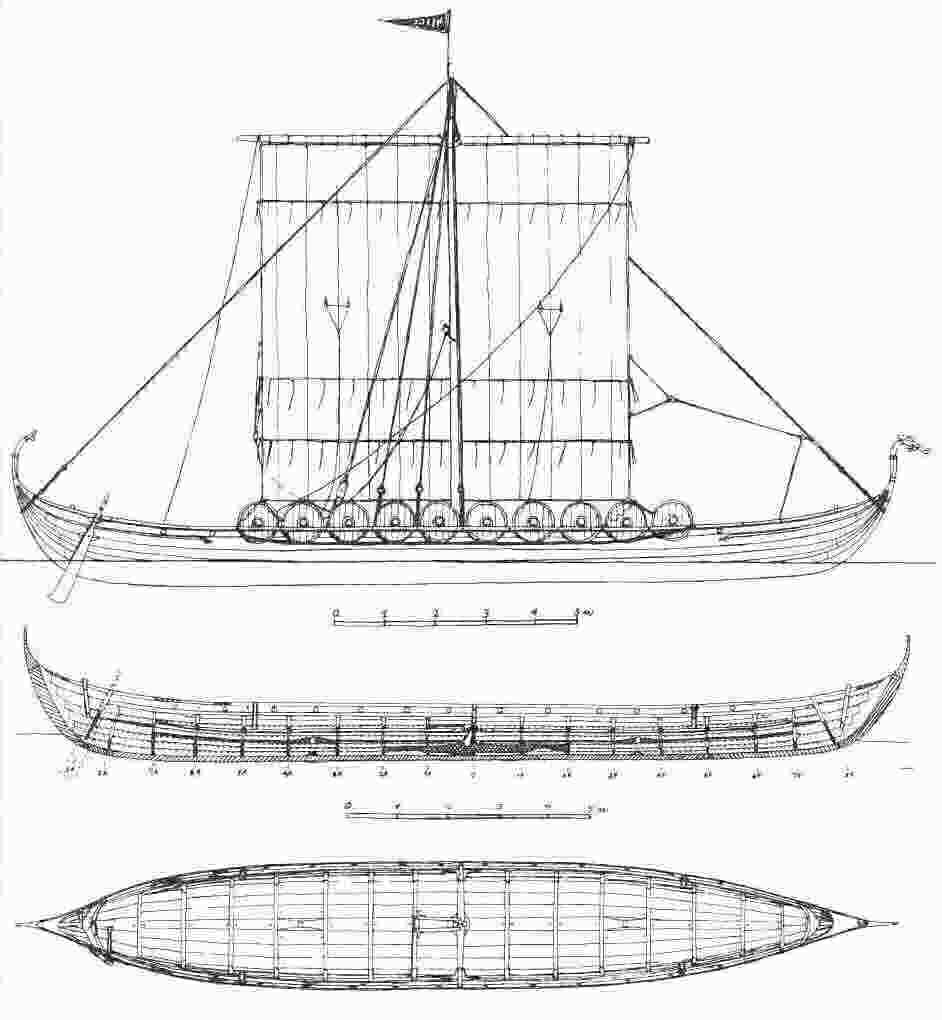
Drawings of a Viking ship

Rope

Rope during the Viking Era was made of bast or hemp.  There may have also been ropes that were made from walrus or seal skins.  For rope, skins were cut in a spiral around the entire creature’s length.  It is suggested that sails were controlled by a reefing method.  Sails may have also been controlled by two ropes attached to the lower corners of the sail.

Filler

Strakes on the vessel were sealed with wool yarn and tar; horse hair may have also been used.  Tar was used to make the vessel more waterproof.  After a period of time being used, the ship had to be re-sealed.

Types

Skuldelev ocean-trader boat

Vessels are classified in different ways and differences are not always clear.  The number of oars defines what a small vessel is; up to 12 oars (one man could take a pair).  Medium vessels were 12 to 32 oars or 12 to 32 rowers (one man per oar).  The large vessels were identified by how many pair rows there were (two men per oar).  There was a lateral space between the seat called a rúm and ships could also be identified this way.

Skuldelev fishing boat

There are different categories of vessels and distinctions are not always clear as well.  The eikja is the simplest kind of boat, a dug-out, and it was often used as a ferry.  A bátr was a ship’s boat.  Skip is the term used for any independent vessel that was not considered to be very large.  Cargo ships were called ferja or byrðingr.  Ocean-going vessels were known as knarr.  Búza and kuggr were names of merchant/trading vessels.  General purpose vessels were called skúta, similar ships might me known as karfi.  A longship/warship of at least 20 benches was known as a snekkja, bigger longships were called a skeið.  But the largest warships were referred to as drekar, which translates as dragons.

Wood detailing of the Oseberg ship

The characteristics of the vessels differ, depending on what they were used for.  The Skuldelev ships show us how different the vessels are.  Cargo ships are usually classified as medium vessels that have a large hold.  Merchant/trading ships may also have a hold, but my not be as necessarily large as cargo ships.  Ocean vessels were stronger than others so that they could withstand the waves and wind.  Longships, or warships, needed to have greater speed and maneuvering abilities. Boats used for everyday things, like fishing, had higher sides than most other vessels.  Some trading ships may have had higher sides as well, to store more goods.  Those vessels that stayed close to land were mostly dependent on rowing only and lacked a keel.  Vessels that belonged to higher ranking individuals were more intricate, the Oseberg vessel is thought to be an example of this.  The Oseberg is intricately carved, which may have belonged to a chieftain.  Other intricate vessels may look like a dragon or have weather vanes that are gilded.

Gokstad Design


Side of the Gokstad ship

The design commonality of Viking vessels is that they were clinker-built; this means that the strakes partially overlapped each other.   Quite a few vessels have been discovered but there are very few that are mostly complete.  This is because most of the vessels were found in peat bogs.  The Oseberg and Gokstad ships are the most complete and best documented.  Examining the Gokstad helps us to understand the construction and skill that went into a vessel.

The Gokstad has been dated to the ninth century and was classified as a general-duties vessel that was capable of being used in raiding or trade.  The Gokstad is 23.3 meters long and estimated to weigh nine tons when empty.  The ship is made of oak and pine.  Overlapping strakes make up the hull and are nailed together and then spruce roots lashed the strakes to the frame.  The lower strakes were attached to the hull with nails and strakes above the water line were attached with wooden pegs to L-shaped knees.  The knees were attached to crossbeams and held the ship together.  The knees also supported the deck which was not nailed down.  The third strake from the gunwale has holes and slats that the oars can pass through.  The strakes were then caulked with the filler mentioned above (in materials).  A bar attached to the gunwale was used to help tie the shields.

Side view of Gokstad ship showing the deck

The mast was sat in a socket were it could be attached to the ribs.  The mast had also been repaired at some point with iron bands.  The mast was movable when desired and was locked in place.  Backstays were common in artwork depicting ships, but a place for one was not found.  The forestay helped to move the mast.  It is assumed that the mast was 10 meters tall to consist of a lighter ship weight as well as a faster ship.  There may have been a rectangular sail of about 11 meters across attached to the sail, with the specifications mentioned above (in materials).

Oseberg ship from the front

A large steering oar was used near the platform of where the helmsman and chief would have been.  The steering oar, used for maneuverability, was attached to the starboard side by a tree root or withy.  The oars were made of pine and were about 5 ½ meters in length, oarsmen had to be seated to use them.  The anchor had a wooden stock with iron flukes.  The deck was mostly clear because that is where individuals slept in tents.  The design made the Gokstad less rigid and lighter than most ships.  The Gokstad could easily reach 10 knots or more.

The Gokstad ship and other artifacts can be seen at the Viking Ship Museum in Oslo, Norway.

Carruthers crest on flag


PRESERVING OUR PAST, RECORDING OUR PRESENT,INFORMING OUR FUTURE

ANCIENT AND  HONORABLE CARRUTHERS CLAN INT SOCIETY CCIS

CARROTHERSCLAN@GMAIL.COM    CARRUTHERSCLAN1@GMAIL.COM

cropped-wider-banner-light-blue-1.jpg

Rick Fehrenbacher

VIKING MUSEUM

CLAN CARRUTHERS INT SOCIETY CCIS HISTORIAN AND GENEALOGIST


You can find us on facebook at :

https://www.facebook.com/carrutherscarrothers.pat.9

https://www.facebook.com/CarruthersClan/

https://www.facebook.com/CarruthersClanLLC

Disclaimer Ancient and Honorable Carruthers Clan International Soci

Sources 

Viking Ship Museum  http://www.vikingeskibsmuseet.dk/index.php?id=1404&L=1

The Viking Answer Lady: Woodworking in the Viking Age  http://http://www.vikinganswerlady.com/wood.shtml

The textiles in the Oseberg ship  http://www.forest.gen.nz/Medieval/articles/Oseberg/textiles/TEXTILE.HTM

The Viking Achievement: The society and culture of early medieval Scandinavia by Peter Foote and David M. Wilson (1990)